Behavioral Modeling, Sound, and AI in Architecture
Date: Wednesday, October 21, 2026 Format: Online Workshop Organized by: Academy of Neuroscience for Architecture (ANFA) × ACADIA Organizer: Dr. Kristine Mun (ANFA)
About the Workshop
Join ANFA and ACADIA for an interdisciplinary workshop exploring how neuroscience, cognitive science, and computational design can inform the future of architecture.
The program brings together leading researchers, architects, and design professionals to explore how empirical findings on human cognition and perception can be translated into practical architectural design methods.
The morning program features expert lectures introducing the theoretical foundations of neuroscience-informed architecture. Afternoon sessions offer three parallel hands-on workshop tracks focused on spatial cognition, environmental sound, and AI-supported computational design.
Each workshop track will produce a collective outcome to be presented to the ACADIA conference at the end of the day.
Morning Lectures
Dr. Kristine Mun (ANFA) — Opening Introduction
Dr. David Kirsh (UC San Diego / ANFA) — AI & Distributed Cognition
Dr. Michela Turrin (TU Delft) — AI and the Intangible Side of Architecture
Three Workshop Tracks
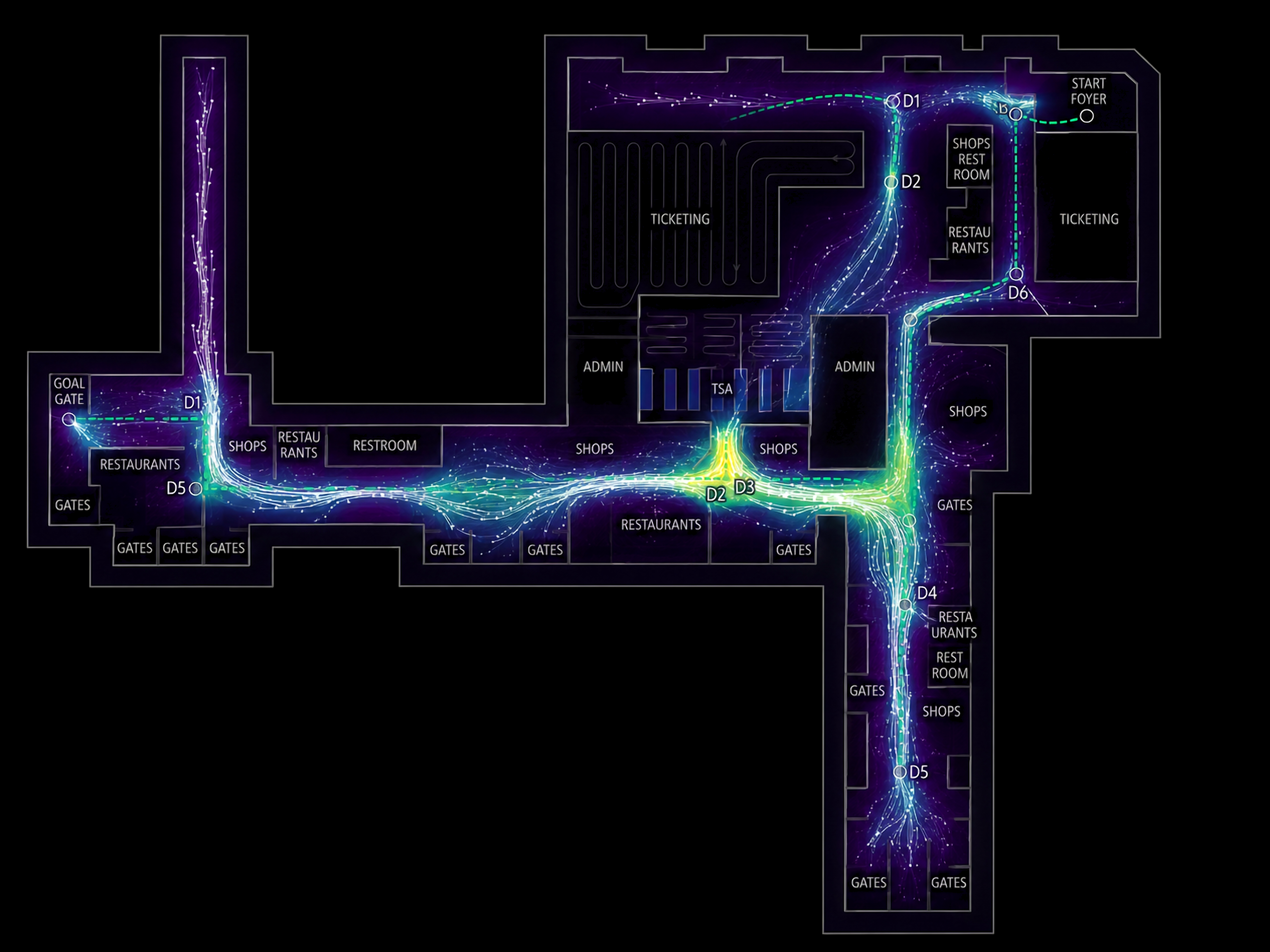
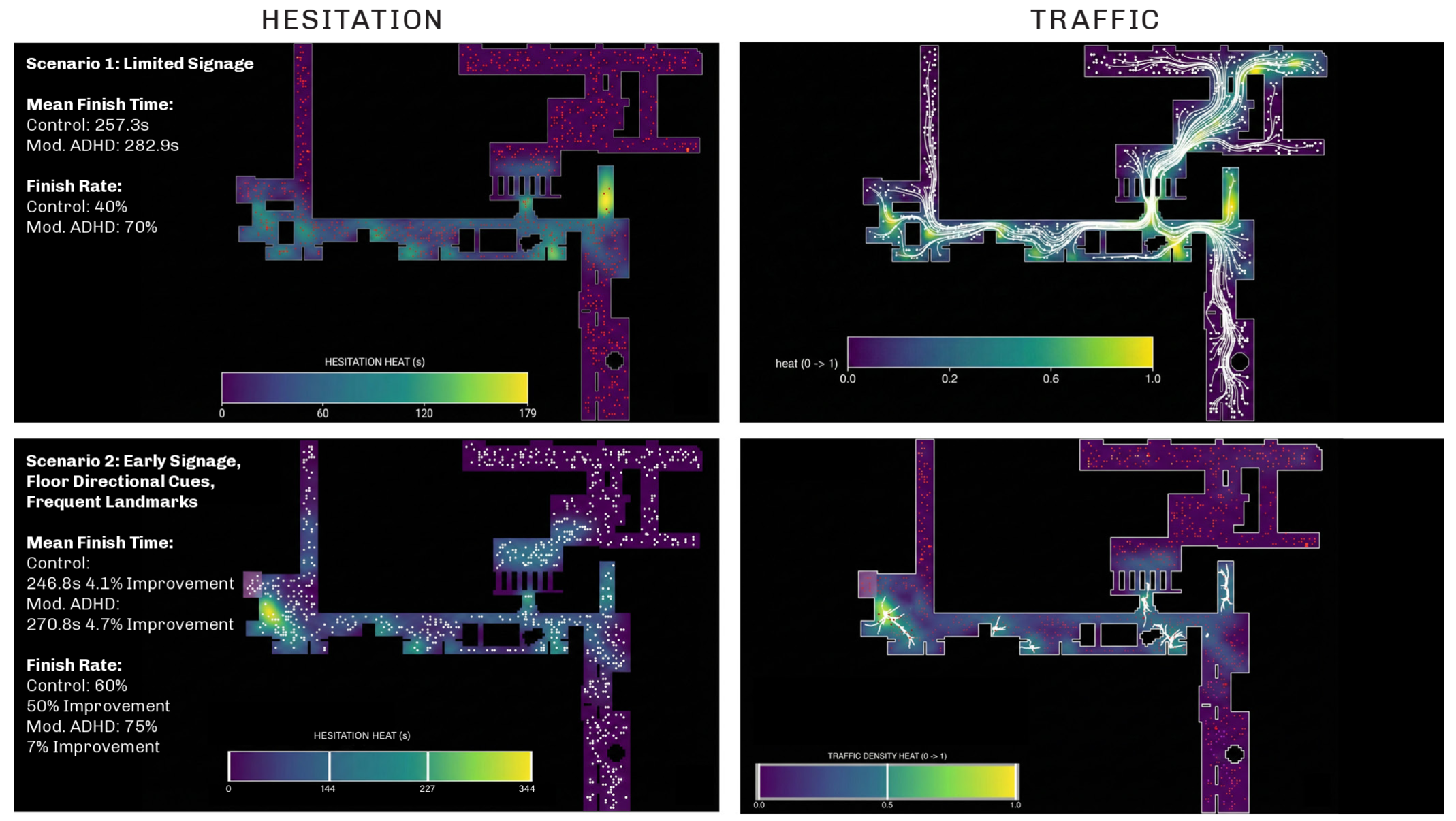
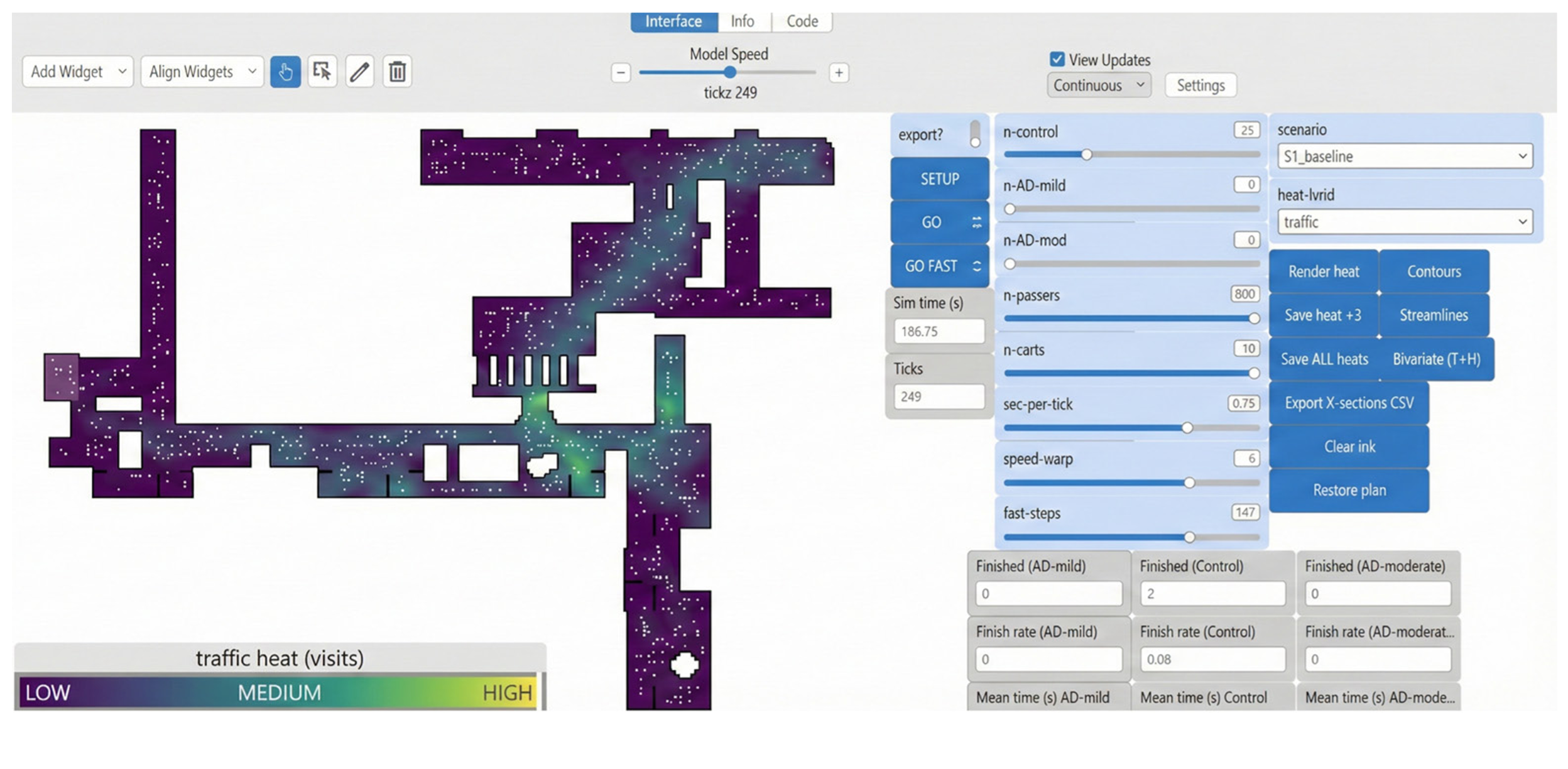
Track 1 — Operationalizing Spatial Cognition Using Agent-Based Modeling
Led by ArKar Hein (ANFA / Columbia University).
Explore how behavioral and neuroscience research can inform computational models of spatial navigation, working memory, attention, and architectural experience.
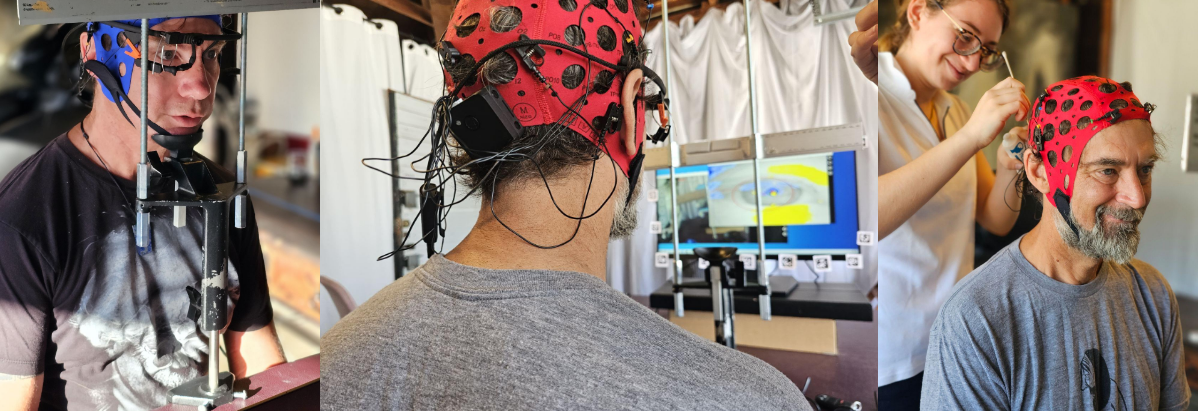
Track 2 — Sound as a Design Driver: Towards Bio-Informed and Perceptually Attuned Environments
Led by Sofia Boarino (Researcher & Architect/Artist).
Explore sound and listening as tools for understanding relationships between people, environments, and living systems, and discover new approaches to perceptually informed architectural design.
Track 3 — More Than Performance: AI, Architecture, and Human Experience
Led by Dr. Michela Turrin and Antonia Sattler (TU Delft), with Feras Alsaggaf, Bart Mispelblom Beyer, and Michaël Vrijhof.
Explore AI-powered computational methods for incorporating social, cultural, and emotional dimensions into architectural design.
Who Should Attend?
Students, researchers, and professionals in architecture, design, and AI.
Participants interested in neuroscience-informed architecture and computational design.
Intermediate-level participants; experience with Rhino/Grasshopper is helpful but not required.
Participants should have access to a laptop capable of running Rhino 7 or 8 with Grasshopper and NetLogo 6.4.0.
What You Will Learn
Understand cognitive neuroscience findings relevant to spatial navigation and architectural experience.
Translate empirical research into computational design parameters.
Explore agent-based modeling and AI-supported design methods.
Understand the role of sound and perception in environmental design.
Evaluate the capabilities and limitations of computational models of human experience.
Connect with researchers and practitioners across the ANFA and ACADIA communities.
Schedule
October 21, 2026 — Online
9:30 AM–3:30 PM EDT: Lectures and parallel workshop sessions.
5:00 PM (listed as EST by the organizer): Final presentations to the ACADIA conference.
Registration
Regular Admission: $125 Student Admission: $65
Participation is limited to 75 attendees. Workshop participants will be divided into three groups of up to 25 people each. Workshop sessions will be recorded so participants can review sessions they could not attend.